DEPARTMENT MENU
Curriculum and Instruction
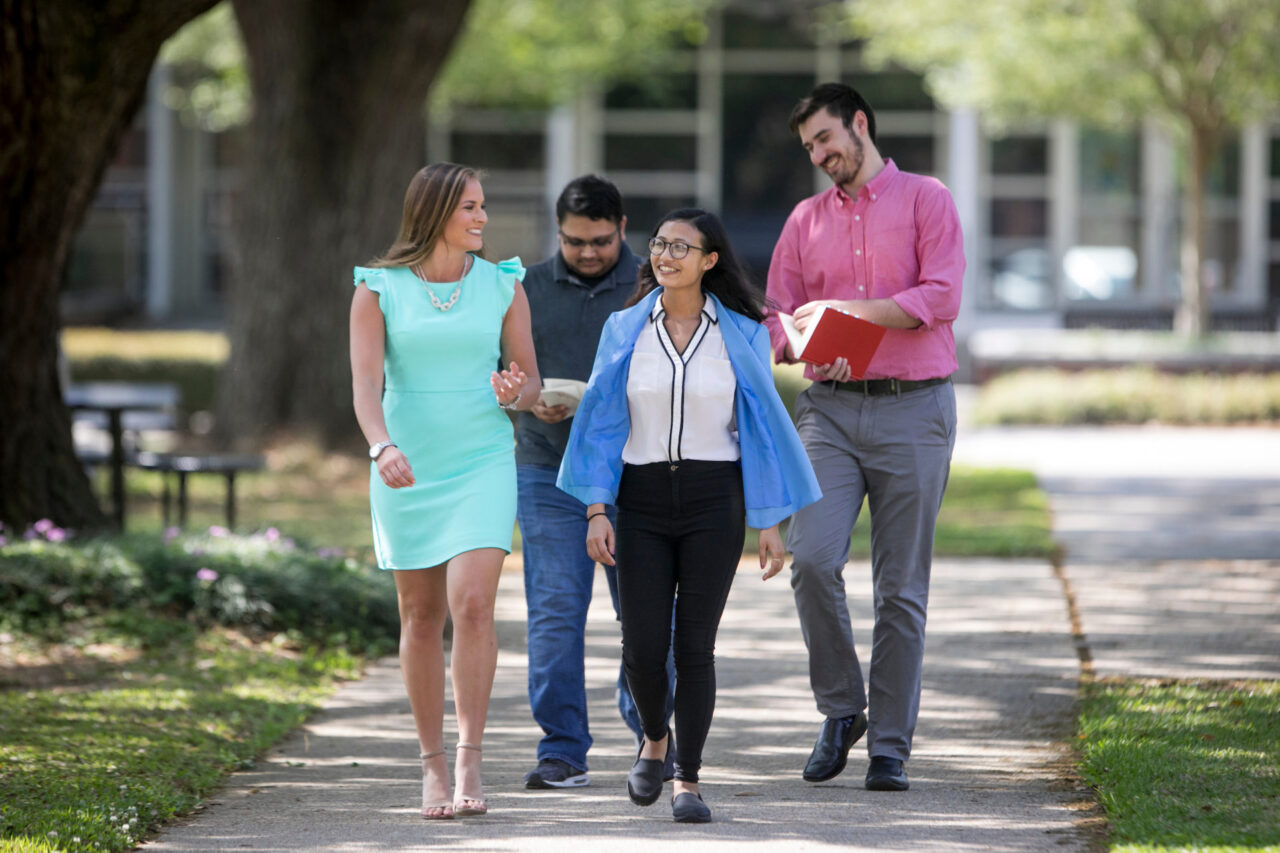
The Nicholls master’s degree programs in curriculum and instruction allow educators to advance their careers while mastering their skill areas. The Curriculum and Instruction Master’s degree includes five concentration areas in which candidates can specialize. These are as follows: Early Childhood Education, High Incidence Disabilities with Applied Behavior Analysis option, Reading Specialist, Elementary Education or Secondary Education. Further information is provided within each area of concentration.
Scholarship Opportunity
SR Education Group, an online education publisher, has developed a scholarship program specifically for education graduate candidates. The scholarship award is $5,000, and is awarded four times per year. Please visit the following website for more information and to apply. http://www.sreducationgroup.org/scholarships/graduate-scholarship-for-teachers
hold a baccalaureate or graduate degree from a regionally accredited college or university,
provide official transcripts showing all previous undergraduate and graduate work attempted (whether or not credit was earned),
submit a formal application to the Office of Admissions at least 30 days in advance of registration,
have a grade point average of at least 2.50 on all undergraduate work, or 2.75 on the last 60 hours
Concentrations
Early Childhood Education
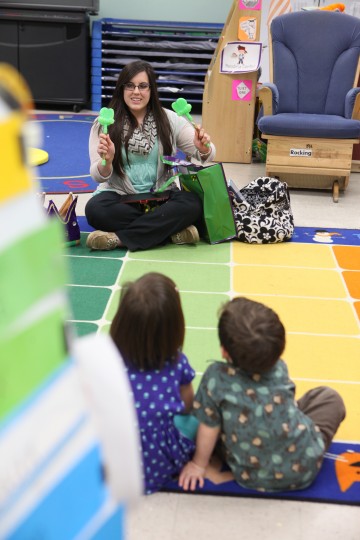
The 39 credit hour fully accredited (CAEP) program is composed of professional research and the application of that research through developmentally appropriate field base practices and studies; professional leadership experiences; diverse virtual and on-site observations; and various opportunities to network/learn with and from other early childhood education professionals.
The coursework is offered through online delivery which incorporates
8-week and 16-week courses. Completion of the program is achieved
through 4 semesters of coursework at 6-9 hours and one summer
semester of coursework at 6 hours. All classes are completed online
allowing full-time educators the convenience of working at their own
pace and on their own timeline. With the completion of the Early
Intervention Praxis, candidates who graduate from this program may
opt to add-on Early Intervention Certification.
Helpful Links
Department of Teacher Education
For more information about the program, please reach out to Dr. Elizabeth Block at elizabeth.block@nicholls.edu or 985-448-4819. For assistance with application and registration, please reach out to Mrs. Wanda Porche at wanda.porche@nicholls.edu or 985-448-4331.
Optional Early Interventionist Education Add-On Certification is available with the completion of this graduate degree as well as the required Praxis exams. Contact Program Chair, Dr. Tiffany Papa, for additional information.
Why Pursue a Master’s in Early Childhood Education?
- Improve Student Outcomes
- Job Security
- Salary Increase
- New Job Opportunities
- Professional Development
- Leadership Perspective
- Early Interventionist Add-On Certification
Requirements
- Bachelor’s Degree
- Current Teaching Certificate
- 2.5 GPA or Higher
- GRE (waived for full- time teachers)
Job Opportunities:
- Preschool Director or Administrator
- Home-Based Service Provider or
- Early Childhood Special Education Mentor or Coordinator
- Early Childhood Consultant or Specialist
- Pre-K–3rd Mentor or Early Childhood Master Teacher
- Early Childhood or Early Interventionist Curriculum & Instruction Director
- Principal/Vice Principal of Early Childhood or Early Intervention Schools
- Early Childhood Education Grant Writer or Researcher
- University Instructor
Advisor Information

Dr. Elizabeth Block
Title: Professor; Teacher Education
Email: elizabeth.block@nicholls.edu
Phone: 985.448.4819
Office: 239 Dr. O Cleveland Hill Hall
High Incidence Disabilities
Degree
Master of Education (M.Ed.)
Length
2.5 years
Format
100% online
Degree Master of Education (M.Ed.) | Length 2.5 years |
Format 100% online |
MISSION STATEMENT
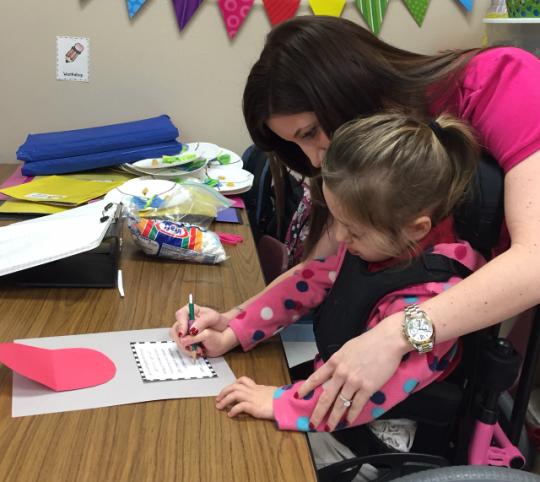
The mission of the High Incidence Disabilities (including an option in Applied Behavior Analysis) program is to prepare educators, behavioral health providers, and other stakeholders to provide measurably superior services to children and adults in our region, state, nation and beyond. The philosophy and mission of the High Incidence concentration reflects a commitment to and recognition of diversity, equity, and inclusion as candidates progress from acquiring knowledge, skills, and dispositions through the demonstration of professional behaviors and practice. Candidates who earn a master’s degree in Curriculum & Instruction may also elect to gain additional areas of endorsement and certification as an Educational Diagnostician and/or as an Applied Behavior Analyst and/or CABAS® Teacher 1 and 2.
The mission of the High Incidence Disabilities program with the concentration in Applied Behavior Analysis (ABA) is to empower the next generation of behavior analysts and educators using the ABA and data driven decision making as the foundation for transformative learning. As a unique provider of both BCBA® and CABAS® certification pathways, our program equips future practitioners to focus on developing evidence based interventions related to skills acquisitions and behavior reduction. Aligning with the ABAI’s mission, the program provides strong foundations in both basic and applied behavior analysis to provide the strong foundations for professional practices in the field. We dedicate ourselves to training professionals who can skillfully build academic, social, and verbal repertoires in diverse learners, utilizing research based behavioral strategies and ethical and culturally responsive practices to make profound and lasting contributions.
The program in High Incidence Disabilities offers three options: 1) ABA Option, 2) Ed-Diagnostician Option, and 3) Special Education Option. Each of these options are available to individuals separately or in combination and are available both for individuals currently with or without a Master’s Degree.
PROGRAM OBJECTIVES
The masters program aims to prepare educators to implement intervention strategies to improve the learning for students with autism spectrum disorder and other learning challenges. The ABA option prepares students to become licensed behavior analysts in Louisiana as well as achieve national certification which is board certified behavior analysts (BCBA).
- Mastery of the science of basic experimental behavior analysis and the conceptual foundations of behavior analysis.
- Mastery of continuous and direct data collection for data driven instructional practices.
- Analysis of data and application of research-based procedures to benefit learners and the science of behavior analysis.
- Acquisition of verbal behavior development theory and implementation of verbal behavior development protocols to benefit learners
- Demonstration of ethical and culturally responsive practices
The High Incidence Program at Nicholls State University is pursuing recognition with ABAI’s Tiered Model of Education.

Individuals pursuing the Applied Behavior Analysis (ABA) option will take the ABAI® approved verified course sequence (VCS). While the VCS sunsets as of December 31st, 2025, coursework for application to the BACB® will be attested to by the Program Coordinator under BACB® Pathway 2. Additionally, Nicholls is currently undergoing application for ABAI® Recognition and Approval. The course sequence is delivered through a combination of synchronous hybrid and asychronous options. Please discuss these options with your program advisor to ensure successful completion of the program.
Individuals seeking the ABA option must also obtain 2,000 supervised field experience hours per the BACB® Pathway 2 Certification requirements. The field experience must be approved by the program committee, and supervision must come from a Board Certified Behavior Analyst (BCBA) approved by the program committee. Additionally, with appropriate supervision experience, it is possible to obtain Comprehensive Application of Behavior Analysis to Schooling CABAS® certification. We are the only program in the state and one of the few in the country to offer both certification options. The combination of coursework and supervised field experience allows the candidate to apply to take the BCBA® examination under Pathway 2 and may allow for application for CABAS® Teacher 1 certification and beyond. Upon obtaining the BCBA® credential, the candidate may then apply to become a Licensed Behavior Analyst.
The nexus of our ABA program options is using the applied science of the behavior of the individual as the basis of a science of individualized instruction. Thus, our ABA program option focuses on building academic, social, and verbal behavior repertoires, cusps, and capabilities of the individual. We emphasize that the principles, strategies, and tactics of behavioral science are central to: 1) effective pedagogy, 2) competent classroom management, and 3) sophisticated curriculum design/implementation.
The concepts, practices, and analytic strategies of behavioral science provide the novice or experienced teacher with the means to provide those educational outcomes for students and the community that are necessary for the well being of the student and society. Those who have mastered the content and applied it to practice with their students have made significant contributions to the welfare of their students, contributions that would not have been possible without the tools and strategies of science.
Please note: Those individuals seeking the ABA option who are currently holding a valid master’s degree need only take the ABA approved course sequence + supervised practicum. Candidates without a master’s degree must take the High Incidence Disabilities Master’s program coursework + the ABA approved course sequence + supervised practicum.
More about the HID program ABA option
Training Model, Curriculum, Graduation Requirements
The master in High Incidence Disabilities program with a concentration in applied behavior analysis (ABA) consists of 36 credit hours of coursework that includes didactic courses, field experience, and thesis research. Depending on areas of interest, students have access to a range of opportunities working directly with individuals from early childhood through young adults with a range of mild to severe learning needs in a variety of settings (e.g., public schools, home and clinic-based services, and post-secondary programs). The required master’s thesis is typically an experimental research study that examines the effects of an intervention on student behavior (e.g., academic, social, functional) using behavioral research design.
Field experience Fieldwork experiences provide students the opportunity to accrue supervised experiences that meet the BCBA standards for qualified practical experiences. For more information about the requirements, including resource documents visit BCBA’s Eligibility Requirements page. The faculty work closely with trusted partners in the community including behavioral clinics, public schools and post-secondary programs to provide the mentored experiences across different age groups and settings. Alternatively, if students are employed in a qualified setting, students can remain in those settings while our faculty collaborate with those sites to ensure they can provide the appropriate supervision and experiences. | Research opportunities Starting in the Fall of 2027, all students in the High Incidence Disabilities Program with the concentration in applied behavior analysis (ABA) must complete an applied research project as a part of their studies. This project is completed across two consecutive semesters with direct support and mentorship from our program faculty. In carrying out their research projects, students work with our faculty from the proposal of the research topics and receive close mentorship in implementing the projects, collecting data, analyzing results and writing up the manuscripts for publication. The research studies can be implemented in their practicum sites and under supervision of their fieldwork supervisor. |
Admission Criteria
All applicants must have a completed bachelor’s degree with a minimum of a 2.5 out of 4 on their last 60 hours GPA. An undergraduate degree in education, psychology, or a related field and at least one year of professional work or internship experience working with individuals with disabilities is recommended. Applicants with non-education undergraduate degrees may be considered, depending upon the type of non-education degree and years of technical work experience.
View the program handbook for additional information about admissions, coursework, field experience, student resources, and more.
What you’ll need
- Application
Applicants for admission to the program must complete an Nicholls State University Graduate Admissions. Please review the step-by-step application guide below. - Resume
Include an updated copy of your resume listing work experience. The resume can be uploaded in the online application system. - Academic credentials and transcripts
To complete your application and verify your degree and undergraduate GPA, you must submit transcripts from all educational institutions you have attended.
o When applying:
- You may upload scanned copies of official transcripts, diplomas, or degree certificates to the online application system. Note: You do not need to submit transcripts for coursework or degrees earned from Nicholls State University.
- These scans help form a complete application packet, but they do not replace the need for official documents.
o What is not accepted. These types of documents will not be used for degree verification or GPA calculation:
- Advising reports
- Unofficial transcripts or scans labeled “UNOFFICIAL”
- Documents with a URL across the top
- Transcripts missing the institution’s name, seal, stamp, or GPA
- Letters of recommendation
Please submit three professional letters of recommendation. These can come from academic or professional connections who are familiar with your qualifications and potential for graduate study. Please contact our Administrative Coordinator with any questions about potential recommenders. - Nonrefundable application processing fee
A non-refundable application fee of $20 for US citizens and $30 for others is required. - Please complete the High Incidence Program interests survey below: NSU HID Interest Form
- Interview with the admission committee
Application Process
The Nicholls State University’s High Incidence Disabilities program faculty evaluates the total application package of each candidate to make admission decisions that are based on previous academic performance, relevant practical experience, career goals and research interests that align with program faculty. Individuals with a bachelor’s degree in education, psychology, or a related field qualify to apply to the High Incidence Disabilities program.
The following materials should be submitted with the application at the Office of Admissions website Nicholls State University Graduate Admissions.
Completed application
Official Transcripts from each college or university previously attended
Resume or CV
The three letters of recommendation from professional connections should be submitted to our Administrative Coordinator and Program Chair
Non-Discrimination Policy
In accordance with the University’s Mission, as well as state and federal regulations under Title IX, The Nicholls State University does not unlawfully discriminate on the basis of age, sex, race, religion, color, national or ethnic origin, veteran status, sexual orientation, disability, or any other basis protected under applicable federal or state law, in the administration of its employment policies, educational policies, or financial aid programs.
The Nicholls State University neither condones nor tolerates discriminatory conduct and expects all faculty, staff, and students to promote an environment that is free of discrimination and supportive of this policy. Inquiries with regard to the application of this policy may be referred to the Title IX coordinator or the Office of Civil Rights. Contact information for both is in the Policies and Procedures section of this handbook.
Admission Categories
Admit: Applications that meet all acceptance criteria are admitted to the program.
Deny: Applications that do not meet the criteria described above.
Dr. Cynthia Dong
Assistant Professor of Teacher Education
232 Hill Hall
Phone: 985.448.4337
E-mail: cynthia.dong@nicholls.edu
Dr. Francis Hwang
Assistant Professor of Teacher Education
240 Hill Hall
Phone: 985.448.4343
E-mail: francis.hwang@nicholls.edu
Dr. Jennifer Weber, Adjunct Professor
Ms. Sarah Billiot, Adjunct Professor
- Special Education Teacher – Work with special education students in self-contained or inclusion classrooms
- Special Education Liaison – mentoring teachers and working with special education services district-wide
- Special Education Director/Supervisor – manage student evaluation centers and oversee special education services district-wide
- ABA Specialist – with ABA option
- Board Certified Behavior Analyst – with ABA Option and successful passage of the BCBA® exam
- Educational Diagnostician – with EDC certification
Outcome Assessment by Year
Pass rates for first time BCBA candidates in university training programs are published annually. You can view the Nicholls State University pass rate at BCBA University pass rate
Student Handbook
You can find the Student Handbook HID Program here.
Click the links below for more information related to the High Incidence Disabilities program and related affiliations.
CABAS – www.cabasschools.org
LaBAA – www.labaa.net
BACB – www.bacb.com
ABAI – https://www.abainternational.org
Reading Specialist
Perhaps no academic skill is as crucial as reading. Reading specialists work with students through “learning to read programs,” insuring that they will be prepared for future classroom exercises that require “reading to learn.”
The reading concentration arms educators with the skills needed to implement effective reading programs, assess and correct reading disabilities and utilize innovative methods and materials to promote literacy in schools and communities.
The program requires a supervision and literacy coach practicum, requiring students to support the instructional and supervisory roles of a reading specialist in a school-based setting. During the final semester, candidates must also submit a comprehensive portfolio.
To be admitted into the Curriculum and Instruction program at Nicholls, applicants should possess the following:
- A bachelor’s degree or graduate degree from a regionally accredited institution.
- A minimum GPA of 2.50 on the final 60 hours of undergraduate coursework attempted.
- Three letters of recommendation.
- Interview with program emphasis area faculty.
- A valid permanent-type teacher’s certificate.
- 18-24 hours in professional education as appropriate for the level selected.
Reading Specialist curriculum guide (PDF)
- Literacy Coach/ Consultant – assist teachers with reading programs in educational settings
- Reading Interventionist – implement reading programs for children with delayed reading skills within educational settings
Dr. Fran Crochet
Associate Professor of Education
236 College of Education and Behavioral Sciences Building
Phone: 985.448.4336
Email: fran.crochet@nicholls.edu

Elementary Education
Maybe math hasn’t changed in 20 years but how it’s taught in schools has evolved. As technology becomes more prevalent in the lives of even elementary students, instructional methods have to keep up with trends in order to keep students’ attention.
The elementary education concentration provides educators with advanced curriculum and instructional strategies for developing lessons from Common Core and national standards in ELA, general science, social studies and math. The curriculum focuses on how to create a classroom environment that promotes literacy and life-long learning for diverse students’ cultural, linguistic, economic, academic and social backgrounds.
The program requires field experiences in candidates own classroom environments and a clinical research project in elementary education, in which students identify an area of educational improvement within a school setting, as well as a comprehensive portfolio during candidate’s final semester.
hold a baccalaureate or graduate degree from a regionally accredited college or university,
provide official transcripts showing all previous undergraduate and graduate work attempted (whether or not credit was earned),
submit a formal application to the Office of Admissions at least 30 days in advance of registration,
have a grade point average of at least 2.50 on all undergraduate work, or 2.75 on the last 60 hours
Instructional Coordinator/Specialist: Develops curricula, evaluates educational materials, and provides training for teachers to ensure high instructional standards.
Curriculum Director: Manages the development and implementation of curricula across an entire school district.
Instructional Coach: Mentors and supports classroom teachers, helping them refine their instructional practices.
Lead Teacher: Takes on leadership duties and curriculum planning within the classroom or department.
School Principal: A C&I degree can be excellent preparation for a principalship, though it may need to be paired with additional administrative certification.
Academic Coach: Helps individual students with study habits, organizational skills, and other challenges to improve academic success.
Instructional Designer: Creates and organizes learning materials, such as e-learning courses and manuals, for corporate or educational technology companies.
EdTech Consultant: Helps schools and businesses implement and effectively use educational software and learning platforms.
Curriculum Developer: Writes and develops instructional content, textbooks, and other educational materials for publishing companies or tech firms.
Learning and Development Specialist: Works in a company’s human resources or talent department to manage training strategies and assess needs.
Museum Education Coordinator: Designs and oversees educational programs and activities for museums and other cultural institutions.
Dr. Anthony Kunkel, Assistant Professor of Teacher Education
119 Hill Hall
Phone: 985-448-4336
Email: anthony.kunkel@nicholls.edu
Secondary Education
Secondary school educators have a lot of competition. Today, students can teach themselves just about any lesson, whether it be related to academics or not, by surfing the Internet. Who needs school anymore? These students more than anyone. High school teachers help guide students through the massive amount of information available at their fingertips, providing one-on-one attention that a computer cannot simulate.
The secondary education concentration provides educators with advanced curriculum and instructional strategies for developing lessons from Common Core and national standards in ELA, general science, social studies, math, or FACS. The 36 hour curriculum focuses on how to create a classroom environment that promotes literacy and life-long learning for diverse students’ cultural, linguistic, economic, academic and social backgrounds. Included in the 36 hour curriculum includes 12 hours of concentrated study in the educator’s content area.
The program requires field experiences in candidates own classroom environments and a clinical research project in elementary education, in which students identify an area of educational improvement within a school setting, as well as a comprehensive portfolio during candidate’s final semester.
hold a baccalaureate or graduate degree from a regionally accredited college or university,
provide official transcripts showing all previous undergraduate and graduate work attempted (whether or not credit was earned),
submit a formal application to the Office of Admissions at least 30 days in advance of registration,
have a grade point average of at least 2.50 on all undergraduate work, or 2.75 on the last 60 hours
Instructional Coordinator/Specialist: Develops curricula, evaluates educational materials, and provides training for teachers to ensure high instructional standards.
Curriculum Director: Manages the development and implementation of curricula across an entire school district.
Instructional Coach: Mentors and supports classroom teachers, helping them refine their instructional practices.
Lead Teacher: Takes on leadership duties and curriculum planning within the classroom or department.
School Principal: A C&I degree can be excellent preparation for a principalship, though it may need to be paired with additional administrative certification.
Academic Coach: Helps individual students with study habits, organizational skills, and other challenges to improve academic success.
Instructional Designer: Creates and organizes learning materials, such as e-learning courses and manuals, for corporate or educational technology companies.
EdTech Consultant: Helps schools and businesses implement and effectively use educational software and learning platforms.
Curriculum Developer: Writes and develops instructional content, textbooks, and other educational materials for publishing companies or tech firms.
Learning and Development Specialist: Works in a company’s human resources or talent department to manage training strategies and assess needs.
Museum Education Coordinator: Designs and oversees educational programs and activities for museums and other cultural institutions.
Dr. Anthony Kunkel, Assistant Professor of Teacher Education
119 Hill Hall
Phone: 985-448-4336
Email: anthony.kunkel@nicholls.edu
CONTACT INFORMATION
College of Education and Behavioral Sciences
223 Hill Hall
P.O. Box 2053
Thibodaux, LA 70310
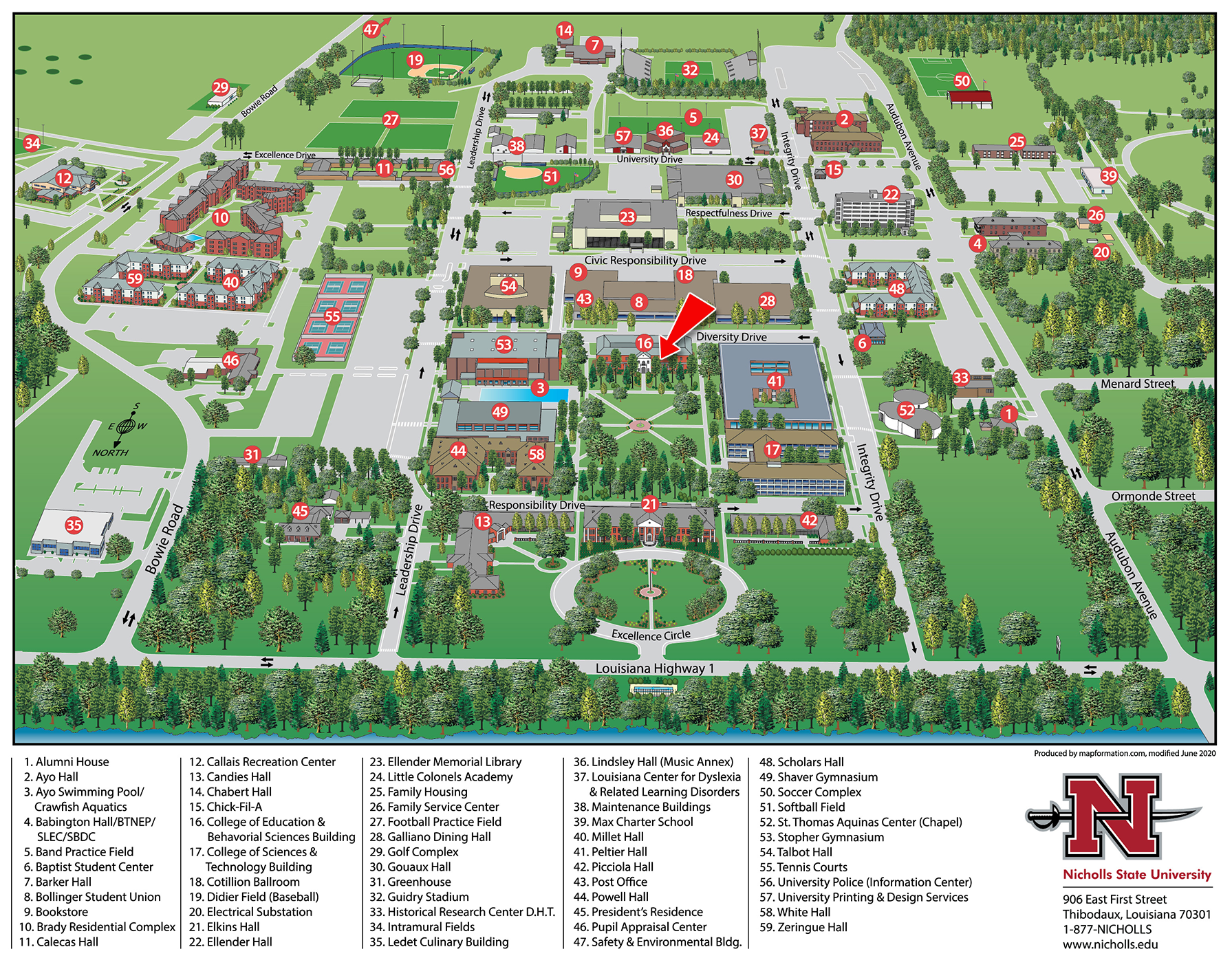
LOCATION